Stainless Steel vs Plastic Shaker Bottles: The Real Difference

They look similar on a shelf. They are not similar in your hand, or your body.
Walk into any supplement store and the shaker wall looks the same: bright colours, bold logos, a little plastic ball rattling inside. From a distance, every shaker bottle looks like a commodity, interchangeable and disposable.
Pick one up and use it daily for a few months, and the differences stop being theoretical.
Durability: One Degrades. One Doesn't.
Plastic fatigues:
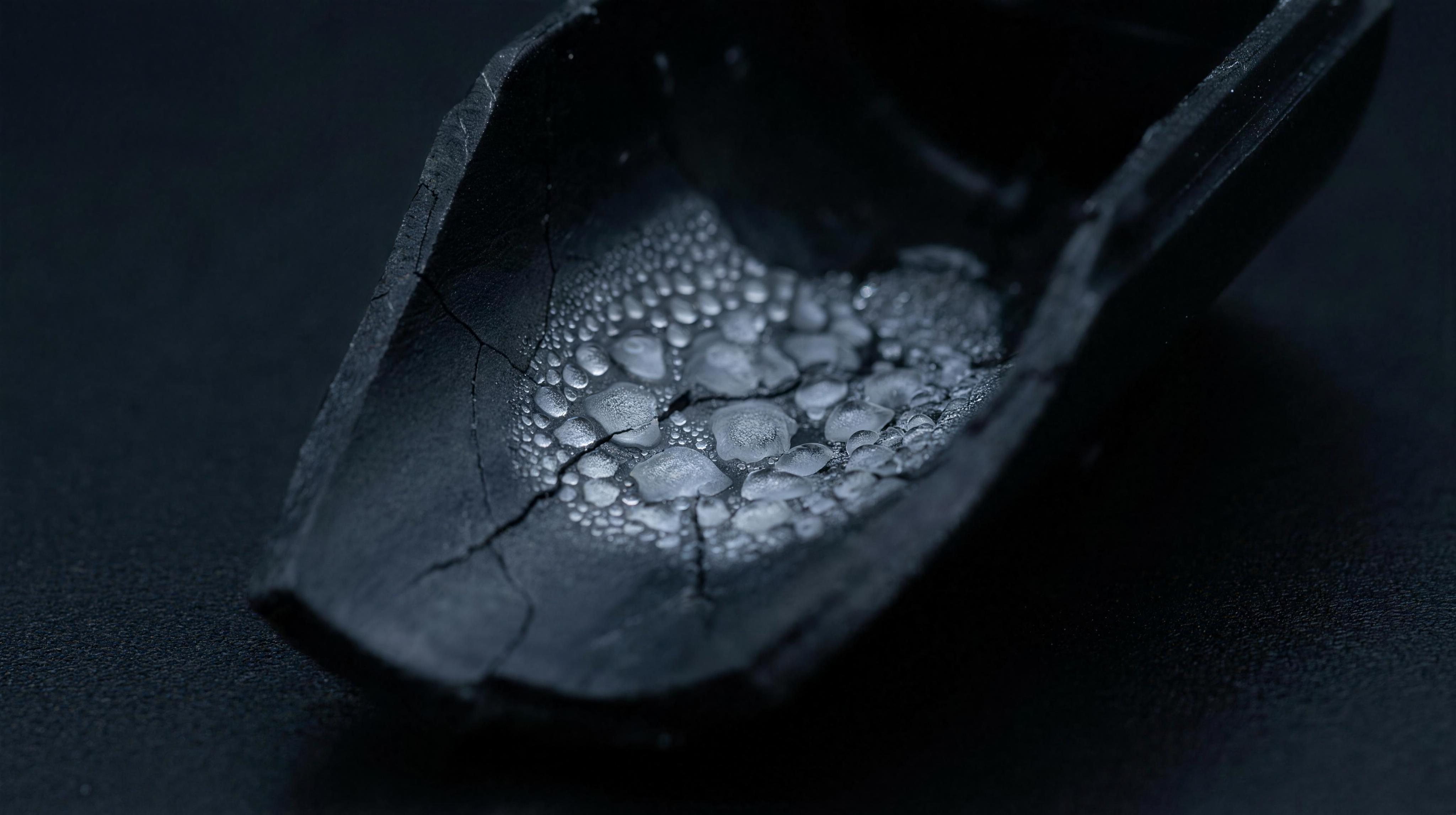
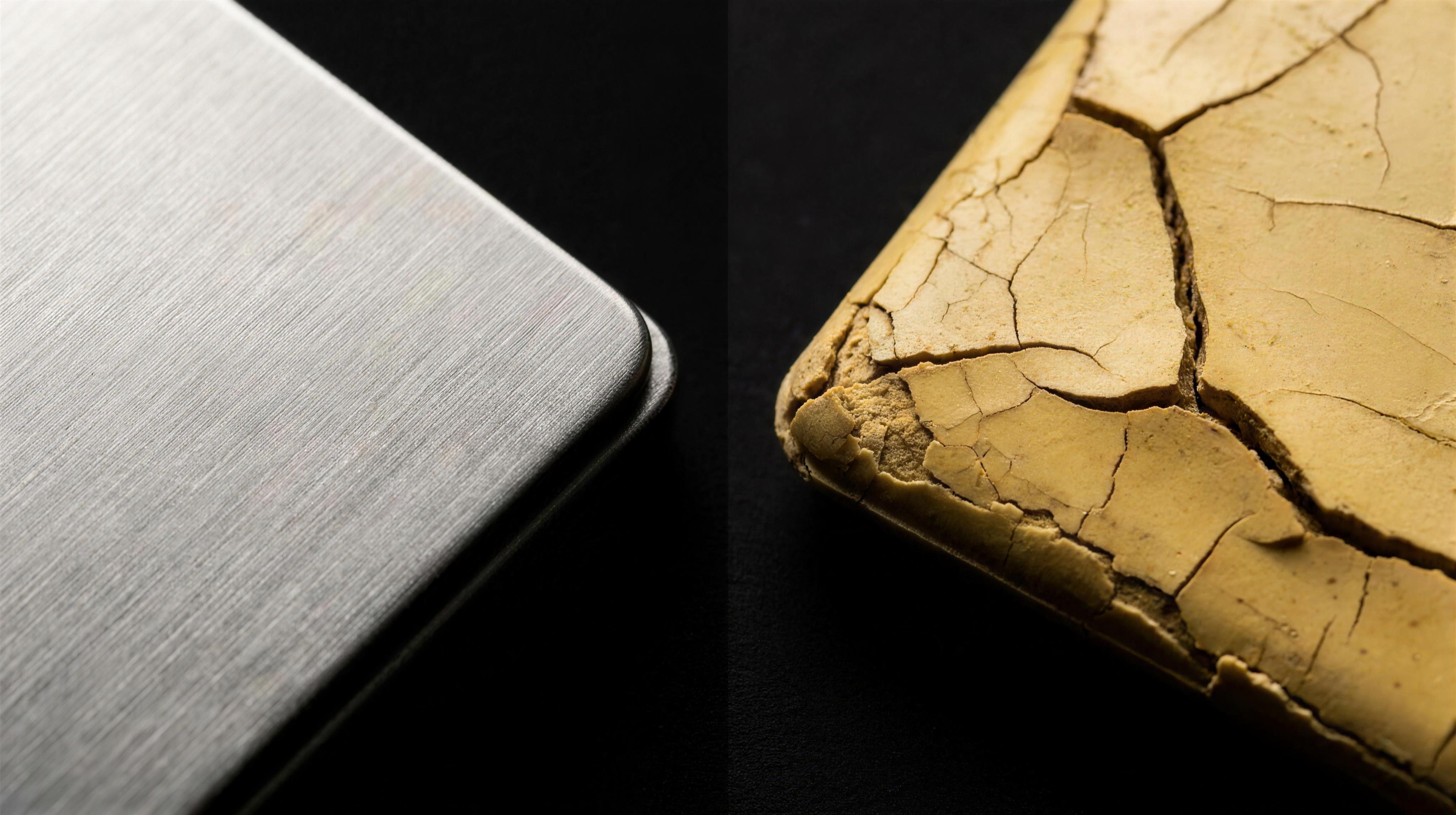
UV exposure, heat cycles, and repeated impact cause plastic to become brittle, cloudy, and prone to stress cracking over time, usually within 3-6 months of daily use.
Steel doesn't fatigue the same way:
Stainless steel resists impact, doesn't yellow under UV, and doesn't become brittle with age. A well-made steel shaker can outlast a decade of daily use.
The cost math flips, fast:
Most people replace a cracked or smelly plastic shaker every 1 to 2 months. At $15 a shaker, that's somewhere between $180 and $360 a year, and $900 to $1,800 over five years. A single $80 Steel Shaker, built to outlast all of that, costs a fraction of the total.

Hygiene: Porous vs Non-Porous
Plastic holds onto smell:
Microscopic surface porosity in plastic traps protein residue and bacteria at a level no amount of dishwashing fully removes, which is why old shakers develop a permanent "sour milk" smell.
Steel resets every wash:
Non-porous stainless steel has nowhere for residue to hide. A proper rinse genuinely removes everything, every time.
Silicone seals matter more than people think:
The seal, not the bottle body, is usually where smell concentrates first. Food-grade silicone seals (like PureSeal™) resist odour retention far better than the cheap rubber gaskets used in most plastic shakers.
Performance: Does It Actually Shake Better?
Thermal mass changes the mix:
Stainless steel's density helps maintain consistent temperature longer. Your shake stays colder for longer in summer, which also slows bacterial growth between use and next wash.
Weight signals quality, but also function:
A heavier shaker isn't just a "premium feel." The added mass improves mixing momentum, meaning fewer clumps with thicker proteins and creatine blends.

So Which One Should You Actually Buy?
If you don't mind buying a new shaker every couple of months, living with the off smell and taste that builds up in between, and the microplastics that come along with it, plastic will keep doing what it's always done.
If you want one shaker that outlasts the supplement tub inside it, doesn't carry last month's smell into this month's shake, and was never made from something we'd hesitate to put in our own kitchens, that's the entire reason The Steel Shaker exists.