Article: Are Plastic Shaker Bottles Safe? What's Actually Leaching Into Your Shake
Are Plastic Shaker Bottles Safe? What's Actually Leaching Into Your Shake

You're not just drinking protein. You're drinking the bottle, too.
Every time you shake, scrape, and refill a plastic shaker, you're putting it through more physical stress than almost any other container in your kitchen.
Hot water. Cold water. Friction from the ball or mesh agitator. UV exposure on your gym bag. Dishwasher heat, if you're not careful. Daily impact against gym floors, car seats, and bench presses.
Plastic wasn't built to survive that. At least not without giving something back.
It sheds:
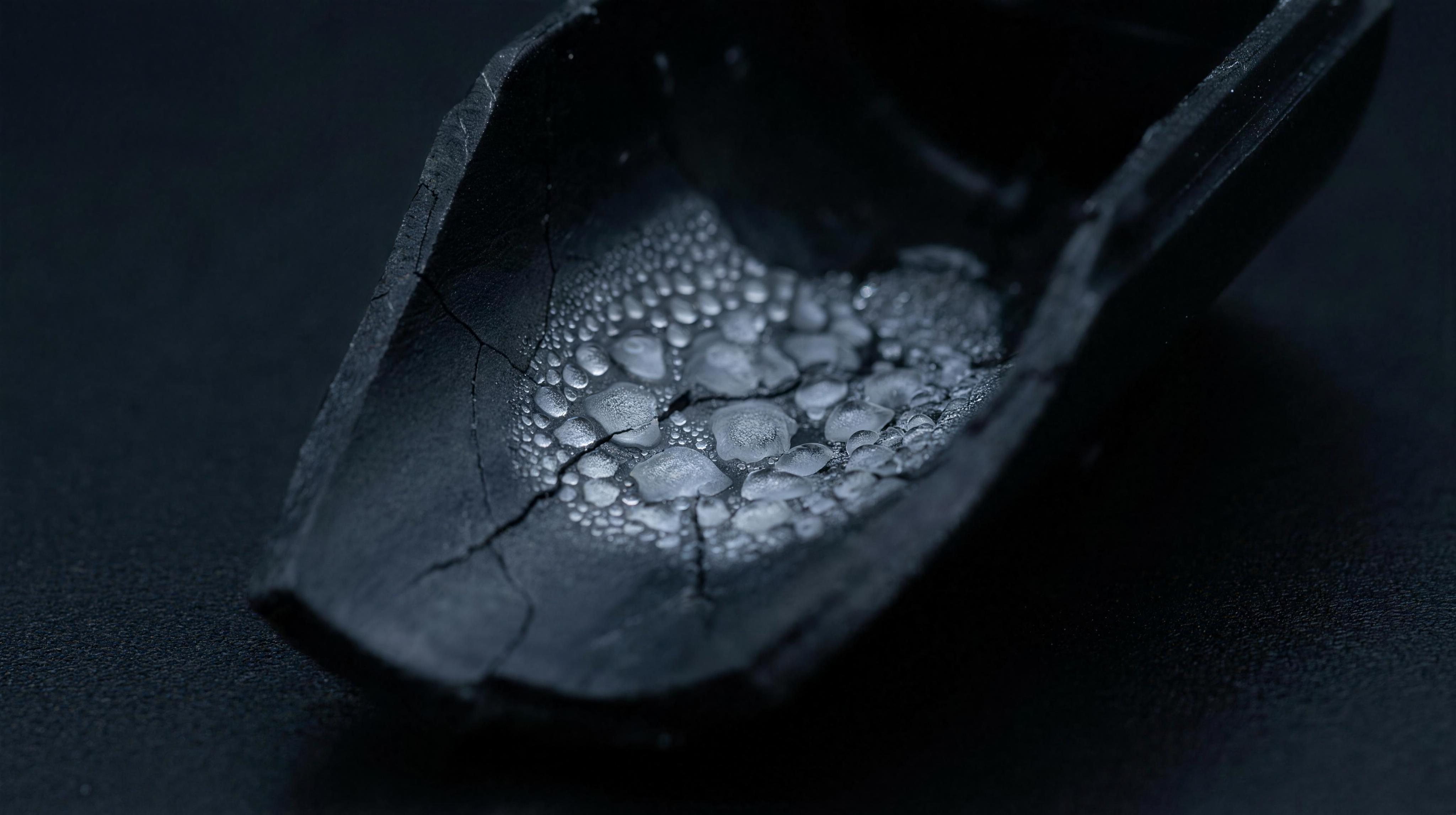
Every wash, shake, and scrape causes microscopic abrasion on the inner plastic surface, releasing microplastic particles directly into your drink.¹
It leaches:
Heat and acidic liquids (yes, your protein shake counts) accelerate the breakdown of plastic polymers, releasing chemical byproducts into whatever's inside.²
It absorbs:
Plastic is porous at a microscopic level. It holds onto protein residue, bacteria, and odour compounds in a way stainless steel simply doesn't.³
This isn't a fringe concern anymore. It's measurable, published, and growing in scientific attention, but almost nobody in the supplement or fitness industry is talking about it.

What "BPA-Free" Doesn't Tell You
Most shaker brands proudly stamp "BPA-Free" on their packaging. It sounds reassuring. It's also a half truth.
BPA-free isn't plastic-free:
When manufacturers remove BPA, they typically replace it with a structurally similar chemical like BPS, which early research suggests may carry many of the same hormone-disrupting concerns.⁴
Plastic is still plastic:
Removing one chemical from a polymer doesn't change the fundamental fact that polymers shed microscopic particles under stress, regardless of which specific compound was used to make them.
Microplastics don't ask what label was on the box:
Whether the plastic is BPA-free, "food-grade," or medical-grade, it is still a synthetic polymer subject to mechanical and thermal degradation over its lifespan.
So when a shaker says "BPA-free," ask the better question: is it free of plastic altogether?
Why Stainless Steel Changes the Equation Entirely
This is the part the plastic shaker industry doesn't want you thinking about.
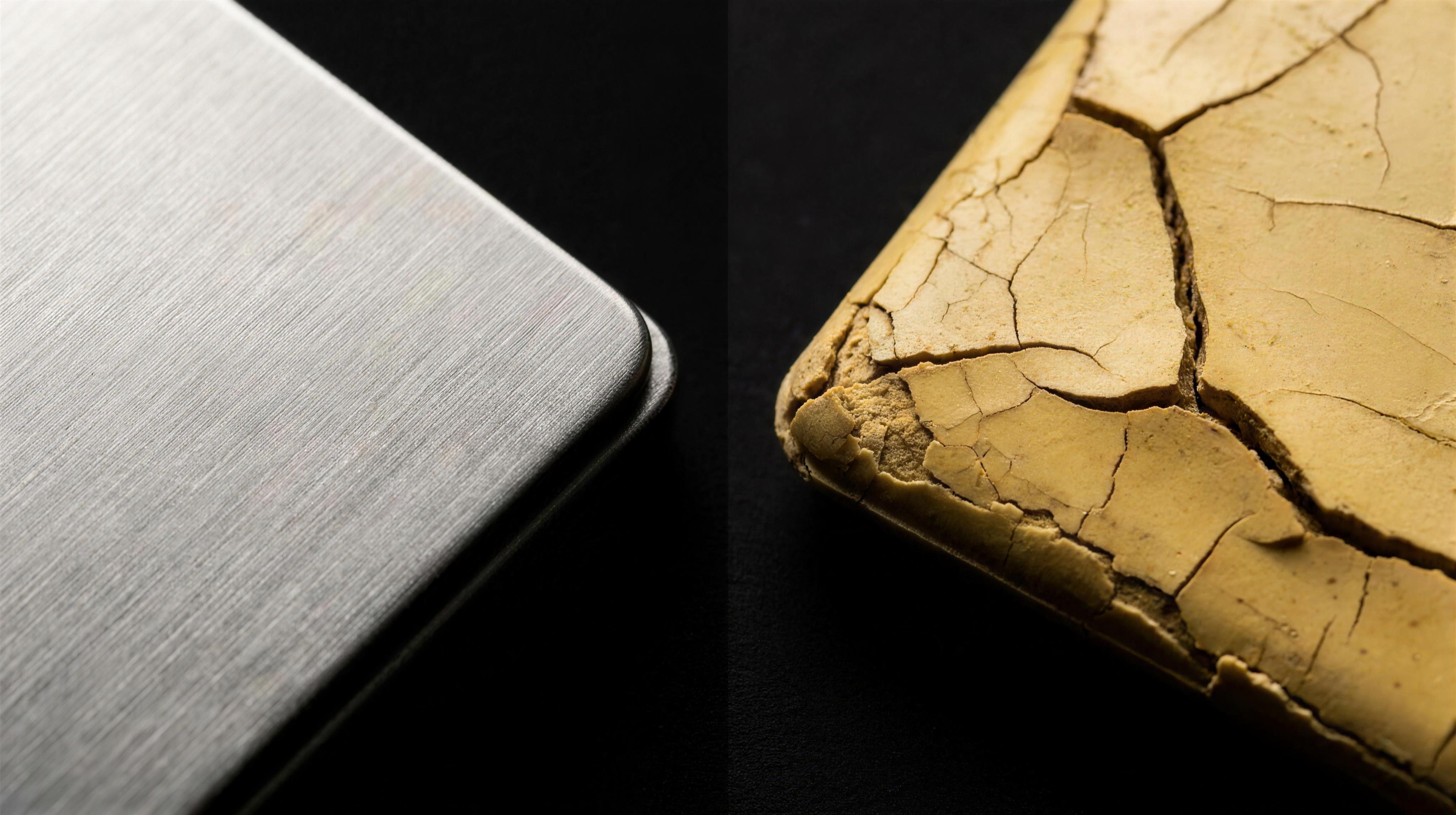
Non-porous by nature:
Medical-grade stainless steel doesn't absorb odour, bacteria, or residue the way plastic does, because there's no porous surface for anything to embed into.
No leaching, no shedding:
There's no polymer breakdown to worry about. What goes in stays in, and what comes out is exactly what you put in, nothing more.
It's the material hospitals trust:
Surgical instruments, IV equipment, and food processing lines all rely on stainless steel for the exact same reason: it doesn't react, degrade, or contaminate under repeated stress.
This is the entire reasoning behind The Steel Shaker. Not a marketing angle, but a material decision made because the alternative is genuinely something we wouldn't put in our own bodies.

The Bottom Line
Plastic shaker bottles aren't dangerous in the way a recall headline implies. But "not dangerous" and "ideal" are very different standards, and most people drinking from one every single day have never been told there's a difference.
The Steel Shaker was built because we asked the same question you're probably asking right now: why is something we put in our body every day still made from a material we wouldn't want to drink?
100% stainless steel. Food-grade silicone seals. Zero plastic, anywhere, in any part.

Sources
- Zimmermann, L., Geueke, B., Parkinson, L.V. et al. "Food contact articles as source of micro- and nanoplastics: a systematic evidence map." npj Science of Food 9, 111 (2025). Found that mechanical stress from repeated everyday handling, including opening and closing bottle caps, is a primary driver of microplastic release from food and beverage containers, with shedding intensifying as the same item is reused over time. URL: https://www.nature.com/articles/s41538-025-00470-3
- Massahi, T., Omer, A.K., Kiani, A. et al. "A simulation study on the temperature-dependent release of endocrine-disrupting chemicals from polypropylene and polystyrene containers." Scientific Reports 15, 19318 (2025). Found that chemical release from plastic containers increases significantly with rising temperature, and that the breakdown of polymer bonds (such as those holding BPA in place) is further accelerated by contact with acidic or alkaline liquids. URL: https://www.nature.com/articles/s41598-025-05036-7
- Peer-reviewed comparative research on food contact surfaces shows bacterial survival varies by strain and surface roughness between stainless steel and plastic, with porosity and moisture retention being a consistently relevant factor in residue buildup over repeated use. See: "Bacterial Attachment and Biofilm Formation on Antimicrobial Sealants and Stainless Steel Surfaces." URL: https://pmc.ncbi.nlm.nih.gov/articles/PMC9562241/
- Rochester, J.R., Bolden, A.L. "Bisphenol S and F: A Systematic Review and Comparison of the Hormonal Activity of Bisphenol A Substitutes." Environmental Health Perspectives (2015). Found that BPS and BPF show hormonal potency in the same order of magnitude as BPA, with estrogenic and anti-androgenic activity in vitro and in vivo. URL: https://www.ncbi.nlm.nih.gov/pmc/articles/PMC4492270/
Supporting and more recent: "A health conundrum of bisphenol A and its alternatives: charting a path beyond the structural analogue substitution pitfall" (2025) found that most mainstream BPA alternatives, including BPS, exhibit estrogenic, anti-androgenic, metabolic disruption, reproductive toxicity, and neurodevelopmental effects similar to BPA. URL: https://www.oaepublish.com/articles/jeea.2025.39