Why Your Protein Shaker Smells (And How to Actually Fix It)

You've washed it. You've soaked it. It still smells.
If you've ever opened a shaker bottle the morning after and recoiled, you already know the smell. Sour, slightly sulphuric, impossible to fully place, and somehow still there after a full wash cycle.
Most people assume they're just bad at washing dishes. They're not. The bottle is working against them.
It's not the protein:
Fresh protein powder has almost no smell on its own. The smell you're noticing is bacterial byproduct from residue that never fully left the container.
It's not your dishwasher:
Even commercial grade dishwashing can't reach bacteria embedded in microscopic surface porosity, because the problem isn't surface dirt, it's sub-surface material structure.
It is, almost always, the plastic:
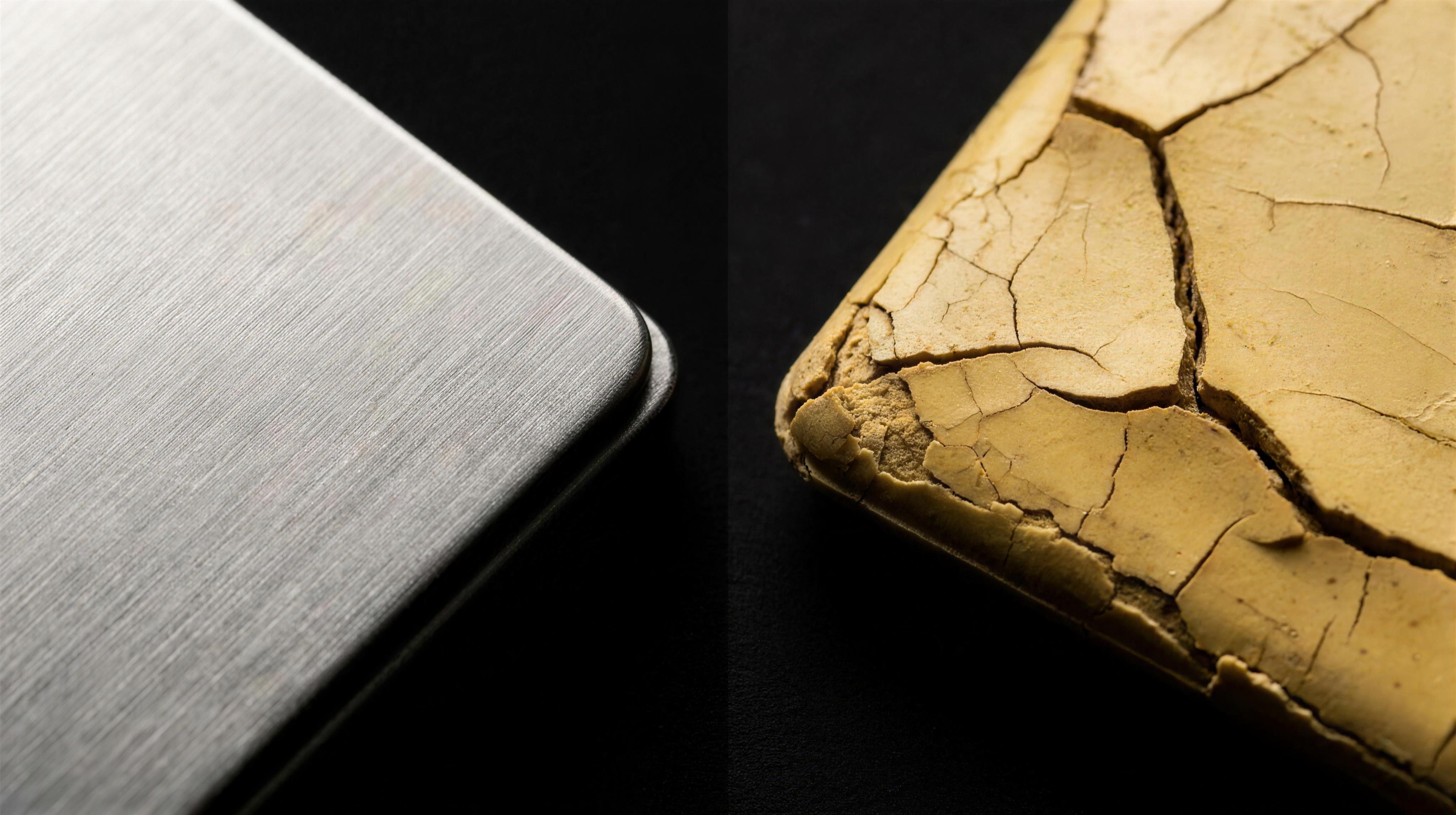
Plastic's porous surface gives bacteria a place to live that simple washing physically cannot reach.
The Seal Is Usually the Real Culprit
Most people blame the bottle body. The seal is actually where smell concentrates first and worst.
Cheap rubber gaskets trap residue:
Standard rubber seals used in most shakers have a textured, slightly spongy surface that holds onto moisture and protein residue between the ridges.
They're rarely removed for cleaning:
Most people never take the seal out to wash it separately, which means residue builds up in a part of the bottle that's actively hidden from view, week after week.
Food-grade silicone is a different material entirely:
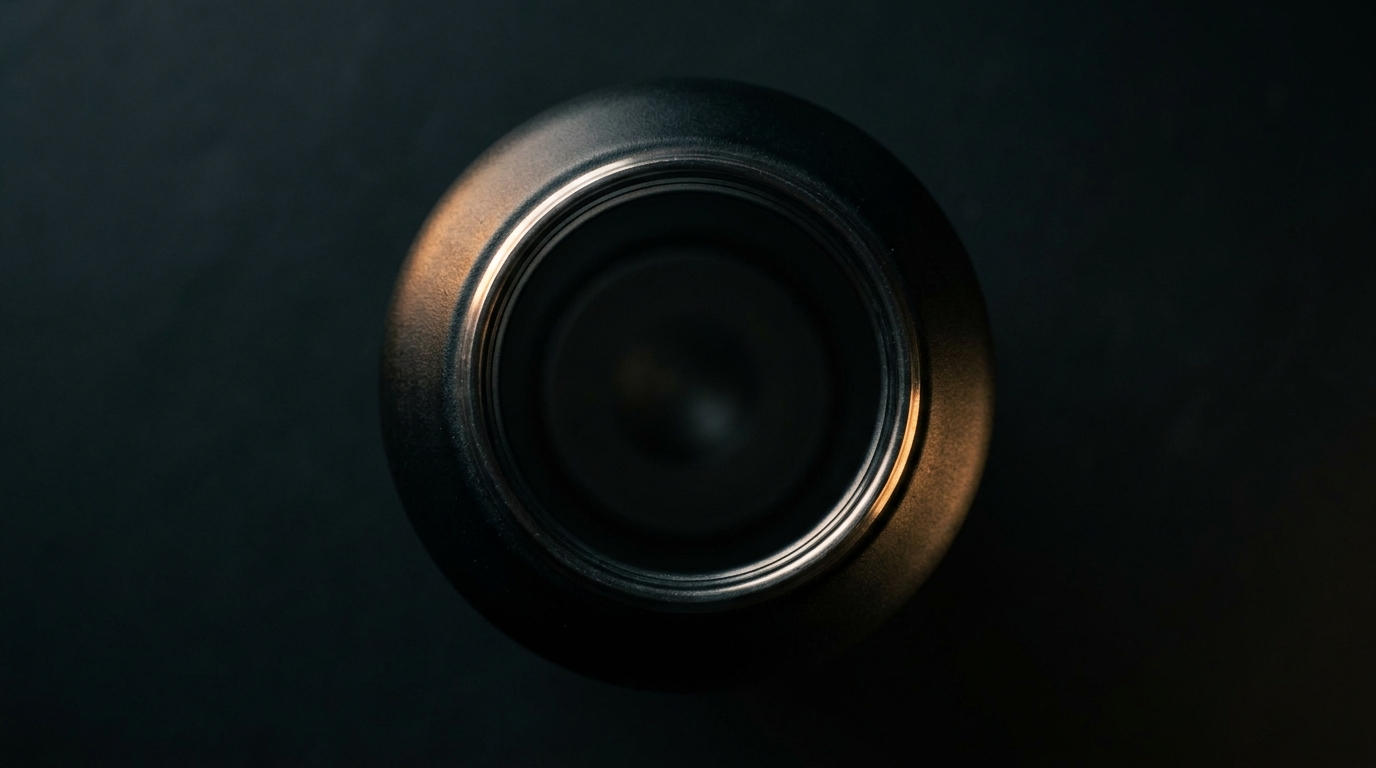
Properly engineered silicone seals, like PureSeal™, have a denser, smoother surface that resists bacterial colonisation in a way standard rubber doesn't.

What Actually Fixes It
Hand washing the seal helps, but it doesn't solve the real problem:
Taking the seal out and washing it separately reduces residue buildup, but bacteria don't just sit on the surface of porous plastic, they colonise into the material itself. A wash can't reach what's already embedded below the surface.
Air drying helps too, but only slows things down:
Trapped moisture in a sealed, dark container accelerates bacterial growth between uses. Drying it out fully buys you time, it doesn't change what the plastic is doing to your shake in the meantime.
The only real fix is removing the porous material entirely:
A shaker built from non-porous stainless steel with a properly engineered silicone seal doesn't give bacteria anywhere to hide in the first place. There's no surface for it to colonise, no sub-surface porosity for residue to sink into, and nothing for a wash to fail to reach. The habits above manage a plastic shaker's problem. Switching materials removes it.
We Built The Steel Shaker Around This Exact Problem
This wasn't a feature we added. It was the starting point. The Steel Shaker pairs 100% stainless steel with a food-grade PureSeal™ silicone ring specifically engineered to resist what plastic shakers can't avoid.
No more guessing if today's shake tastes like last week's.