What Your Pre-Workout Is Actually Made Of
Most gym-goers read the label for what does something. Almost nobody reads it for what doesn't.
Caffeine. Beta-alanine. Citrulline. L-theanine. These are the ingredients people evaluate when they choose a pre-workout. The research on each is well documented. The effective dosages are published and widely understood.
Scroll past those and you hit a different section of the ingredient list. One that rarely gets the same scrutiny. And one that has nothing to do with performance.

What Artificial Dyes Are and Why They're in Your Pre-Workout
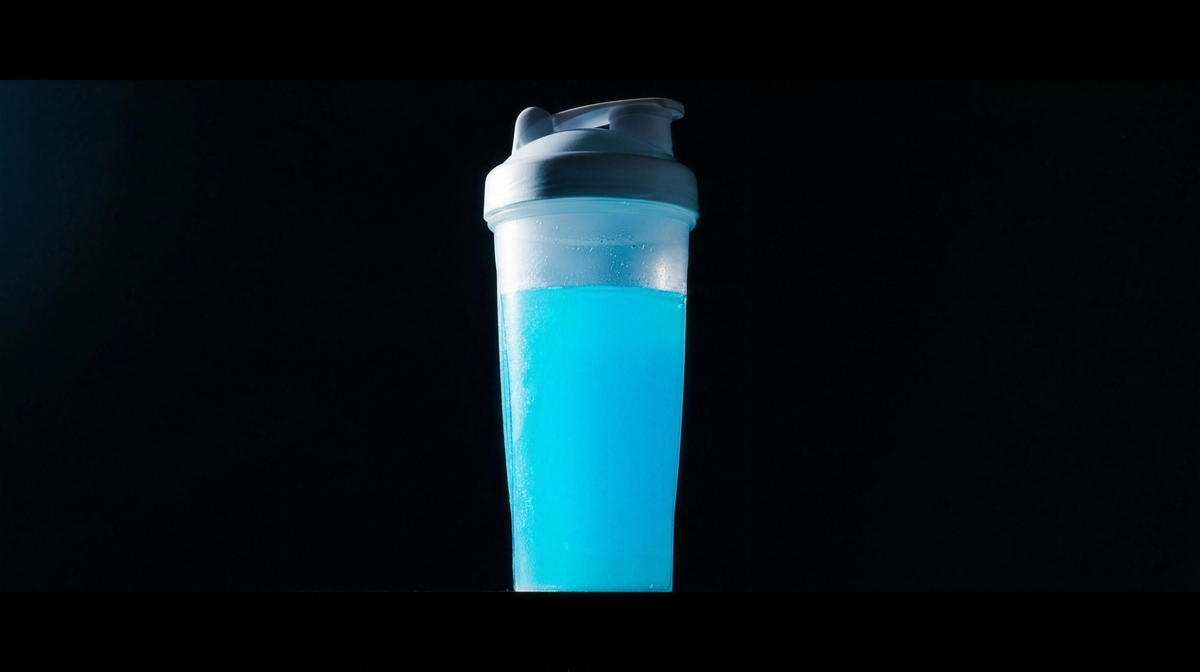
The neon colours in most pre-workout products, the electric blues, vivid reds, and fluorescent greens, don't come from fruits or vegetables. They come from petroleum-derived synthetic dyes, the same class of chemicals used in industrial manufacturing, now marketed as an indication of flavour intensity.
They serve one purpose, and it isn't performance:
Artificial dyes are a cheap way to make products look more vibrant and appealing on shelves. They contribute zero to energy, strength, endurance, or any other training outcome. They are marketing additives dressed as ingredients.³
The FDA moved to ban Red 3 in January 2025:
On January 15, 2025, the FDA issued an order revoking the authorisation for Red No. 3 in food and ingested drugs after evidence of carcinogenicity. Manufacturers have until 2027 to reformulate products containing it. Red 40, Yellow 5, Blue 1, and other petroleum-derived dyes remain under ongoing scrutiny. A 2022 review by the California Office of Environmental Health Hazard Assessment evaluated 25 studies and found that over half showed a statistically significant link between synthetic dye exposure and hyperactivity or ADHD-like behavioural changes.³
One study found health ramifications from all nine FDA-approved food dyes:³
Research cited by supplement industry sources found that all nine currently approved synthetic food dyes in the US showed some type of health-related finding in the available evidence base. The FDA's current safety standards for these dyes are based on studies that did not account for behavioural effects, a gap acknowledged in the California review.
The Plastic Container Still Hasn't Been Solved
Even if you switch to a pre-workout with no artificial dyes, you're almost certainly still mixing it in a plastic shaker and storing it in an HDPE plastic tub. The contamination variable discussed in earlier posts in this cluster doesn't disappear when the ingredient list improves.
The full stack matters:
A cleaner pre-workout formula in a plastic container, mixed in a plastic shaker, still involves multiple plastic-to-liquid contact events per serving. Getting the formula right is one step. Getting the vessel right is another.

The Cleanest Pre-Workout Is One Without Dyes in It
The pre-workout industry is starting to move in this direction. A small but growing number of brands have removed artificial dyes entirely, replacing them with natural alternatives like turmeric, beetroot powder, and spirulina, or simply removing colouring altogether. The FDA's regulatory direction is moving the same way.
What doesn't change with a formula switch is the packaging and the vessel. Those are yours to control right now.
Sources
- Kaged Supplements, May 2025. "Why Artificial Food Dyes Don't Belong in Your Supplements." Covers FDA's January 2025 order revoking Red No. 3 authorisation, the California OEHHA 2022 review finding 52% of 25 challenge studies showed statistically significant links between synthetic dye exposure and hyperactivity, and research finding health ramifications from all nine FDA-approved food dyes. URL: https://www.kaged.com/blogs/supplementation/artificial-dyes-supplements-problems
Supporting: GlobalRPH, August 2025. Covers FDA January 2025 Red No. 3 phase-out order and regulatory context. URL: https://globalrph.com/2025/02/food-coloring-safety-alert-expert-analysis-of-synthetic-dyes-and-their-effects/